
Voltage Optimisation

Published: Friday, 13 February 2026
With rising energy costs and growing pressure to reduce carbon emissions, businesses across the UK are exploring smarter ways to cut their electricity use. One solution is voltage optimisation, a simple but effective way to reduce energy consumption, protect electrical equipment, and save money.
What Is Voltage Optimisation?
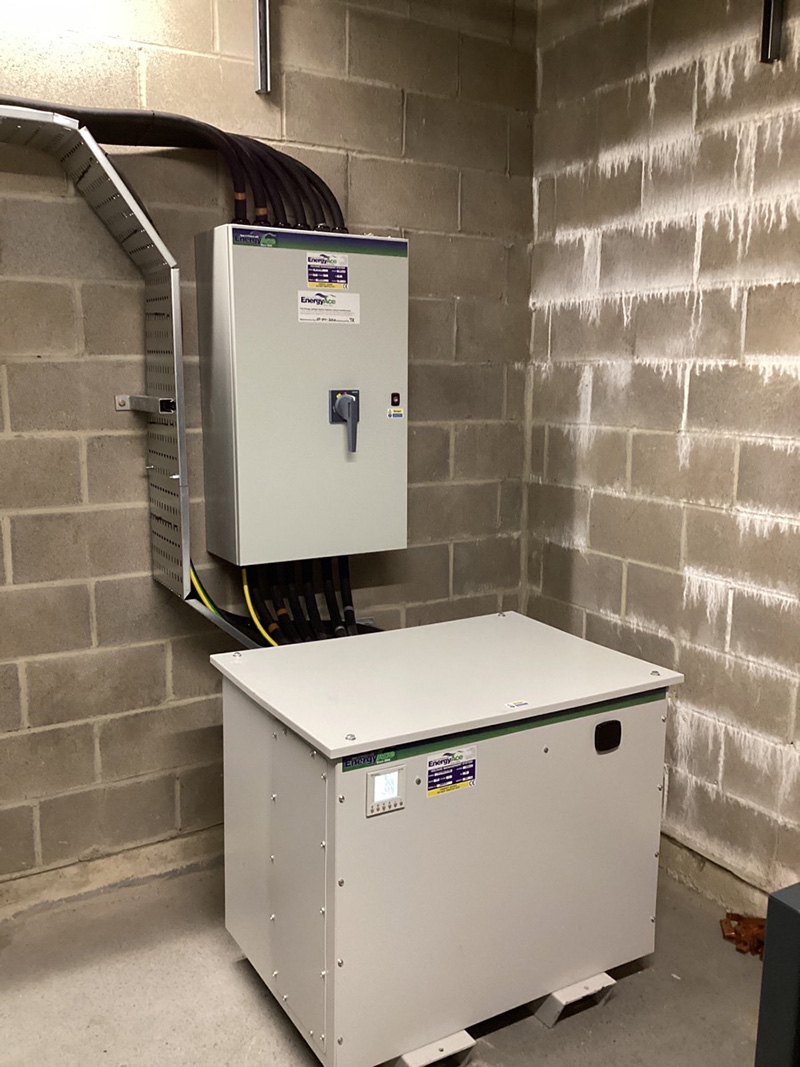
Voltage Optimisation (VO) is an energy-saving technology that reduces the voltage supplied to electrical equipment to an optimal level. It works by trimming down the incoming voltage, often higher than necessary, so that your devices only use the energy they need and no more.
Types of Voltage Optimisers
There are two main types of systems to choose from for VO: fixed voltage reduction units and dynamic voltage optimisation systems. Each has its own strengths, and the best choice depends on your site’s specific voltage profile and operational needs.
Fixed Voltage Reduction Units
Fixed units are designed to reduce the incoming voltage to a preset amount, typically around 10%, regardless of any fluctuations in the supply. Once this has been installed, the system can lower the voltage to a fixed, optimised level (e.g., from 245V to 220V).
This system is best suited for a stable and consistent voltage supply and for businesses that look for a cost-effective, low-maintenance solution. This is great for a lower upfront cost, simple installation and operation, and reliable energy savings on steady loads. Issues this system faces are that it is less effective when your supply voltage fluctuates and it cannot adapt to changes in load or supply conditions.
Dynamic Voltage Optimisation Systems
A dynamic system offers a more advanced solution. These continuously monitor your incoming voltage and automatically adjust output levels in real time to maintain optimal performance. This ensures that your voltage remains within a tight, energy-efficient range. The grid's supply fluctuates throughout the day.
This system is best suited for sites with volatile or inconsistent voltage levels and businesses with sensitive equipment or varying load demands. This provides greater control and energy savings, protects equipment from voltage spikes or dips, and can deliver a more stable power supply. The issue with this system is that it requires a higher initial investment and is slightly more complex to install and configure.
Which One Is Right for You?
Choosing between the two systems comes down to your site's energy profile:
If your supply voltage is steady and your loads are relatively constant, a fixed unit might be the most efficient and economical option.
If you experience voltage fluctuations or operate equipment that is sensitive to voltage instability, a dynamic system will offer better protection and savings.
A professional voltage survey can help to determine the most suitable option for business.
Why Is UK Voltage Often Too High?
A UK standard of voltage is 230V with a tolerance of +10% to -6%, so voltage supply can vary from 216V to 253V depending on conditions. Electricity supplied to businesses and homes is usually closer to 240V or even higher. The reason is due to the supply networks' areas designed to accommodate voltage tolerances across Europe.
However, with the change and advancements of modern equipment, it is rated to operate efficiently at around 220V – 230V. This usually means you will be paying to use more voltage than your device actually requires, leading to energy waste, overheating, and wear and tear.
Benefits of Voltage Optimisation
Installing a voltage optimiser can bring a range of benefits:
Lower energy bills reduce the power drawn from the grid; most users see savings of 8–15% on their electricity consumption.
Extended equipment life reduces voltage stress and helps electrical devices, lighting, and motors last longer.
The lower carbon footprint and using less electricity mean reducing your environmental impact.
Improved power quality can help to smoothen voltage fluctuation and reduce harmonics in some systems.
Where Is Voltage Optimisation Most Effective?
The two main types of systems of voltage optimisation are:
Fixed Voltage Reduction Units – This will lower the voltage by a set amount; it is ideal for sites with stable voltage supply.
Dynamic Voltage Optimisation Systems – These automatically adjust voltage in real-time to respond to fluctuations in supply or demand.
Both options can deliver significant savings, but dynamic systems tend to offer more control and protection, especially for larger or more variable sites.
Installations and Considerations
A voltage optimiser is usually installed between your electricity meter and the main distribution board. Installation is typically straightforward and non-disruptive, but a professional site survey is essential to determine suitability.
A payback period can range from 2 to 5 years, depending on energy usage and the cost of the system, making it a smart long-term investment.
Is Voltage Optimisation Right for Your Home or Business?
Businesses have the opportunity to deliver significant savings with the use of VO technology. If your site receives voltages higher than 230V and the energy costs are significant, VO could help to deliver real value.
Power usage is often less in homes compared to commercial premises; therefore, VO savings could be lower for a household than a business. However, you can still see savings that would be worthwhile. These systems are installed with the electricity supply wherever mains power enters your home.
Case Study of Hotel
After a hotel invested in voltage optimisation, they saw the following changes through their business:
Annual savings achieved
£162,511
873 tonnes CO₂
12.1% annual saving
Reduction in overall demand
Benefits
Immediate cost saving
Reduction in CO₂
Payback – R.O.I.
1.89 years
How Does it Compare to Other Solutions?
While power factor correction improves how your site uses power and battery storage helps to manage your load and grid demand, voltage optimisation is a more passive, maintenance-free approach to reducing consumption at the source.
For many businesses, these technologies can work alongside each other as part of a broader energy-saving strategy.
Voltage optimisation is a practical, cost-effective tool to help businesses move toward net zero by reducing consumption without major operational changes. As the UK moves toward a greener grid, small changes like this can make a big difference.