
EV Home Charger Buyer’s Guide
Published: Friday, 14 August 2026
How to choose the best home EV charger
As Electric vehicles become increasingly popular and the ban on new petrol and diesel vehicles coming in 2035, people are starting to make the switch earlier due to their eco-friendliness, efficiency, and low running costs.
This rise in popularity has sparked an increase in drivers looking to purchase their own at home EV charging stations.
In this guide, we’ll provide you with everything you need to know about home EV chargers, from their benefits to product recommendations based on customer needs, costs and guidance on how you can ensure that you choose the best EV charger for your home.
We have collated a few recommendations of EV charging units that meet the most sought after criteria, including tethered vs untethered options & units with longer cable lengths.
So, What Makes One EV Charger Different from Another?
When comparing home EV chargers, many offer similar core features. UK regulations require new domestic EV chargers to include smart charging functionality, most models allow you to schedule charging, monitor energy usage, and take advantage of off-peak electricity tariffs.
Some chargers offer additional features such as solar integration or dynamic load balancing, the biggest difference often comes down to design, app experience, cable options, and compatibility with your home energy setup. Overall, choosing the right charger is usually less about charging performance and more about selecting the features that best suits your needs from your home charger.
Types of EV Chargers for your home?
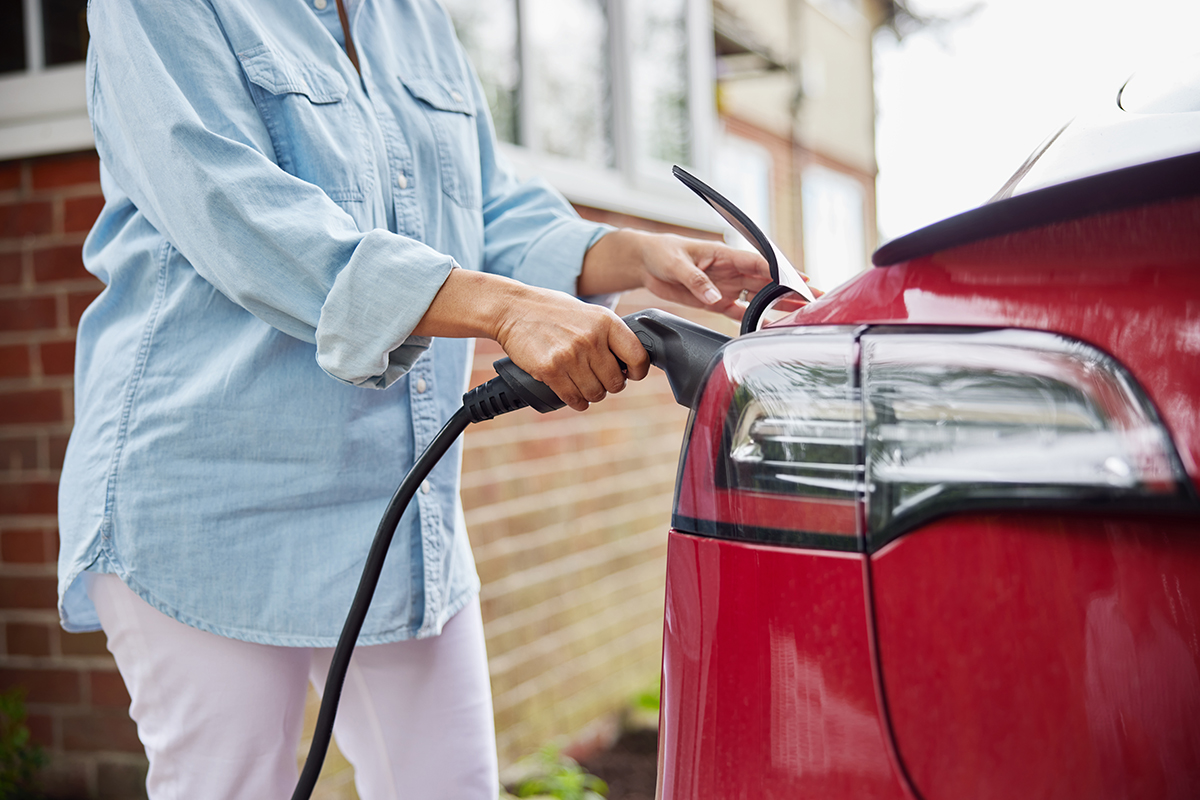
There are two main types of EV chargers, these are:
EV Fast Chargers – Fast EV chargers are usually rated between 7kW and 22kW and they can charge your electric vehicle in 1-6 hours depending on the size of the car’s battery.
Like slow EV chargers, they operate through alternating current (AC) and can be tethered or untethered, however, they can be single or three phase, depending on the connector type.
EV fast chargers can be used for car charging at work, home and at public charging stations.
EV Fast Chargers can have two types of connectors:
- Type 1
- Type 2
Take a look at YESSS Electricals’s range of fast home EV chargers today.
EV Connector Types
EV chargers can have different connector types. In the table below, we highlight the different types of EV charger connections and some of their key features.
| Connector Type | Current Type | Charger Suitability | Power Ratings | Estimated Range per Hour | Key Features |
| 3 Pin (slow charging) | AC | Slow | 3kW | 8 Miles | Basic form of charging, prolonged charging time, not recommended for long term use |
| Type 1 | AC | Fast | 3kW - 7kW | Up to 25 miles depending on kW | 5 Pins, single phase, no locking mechanism |
| Type 2 | AC | Fast | 7kW - 22kW | Up to 75 miles (AC) | 7 Pins, standard connector across Europe, common for new EV car models, featured locking mechanism, single phase or three phase |
Find out more about EV connectors and cables in our informative EV Cables Buyer Guide.
Why buy a home EV charger?
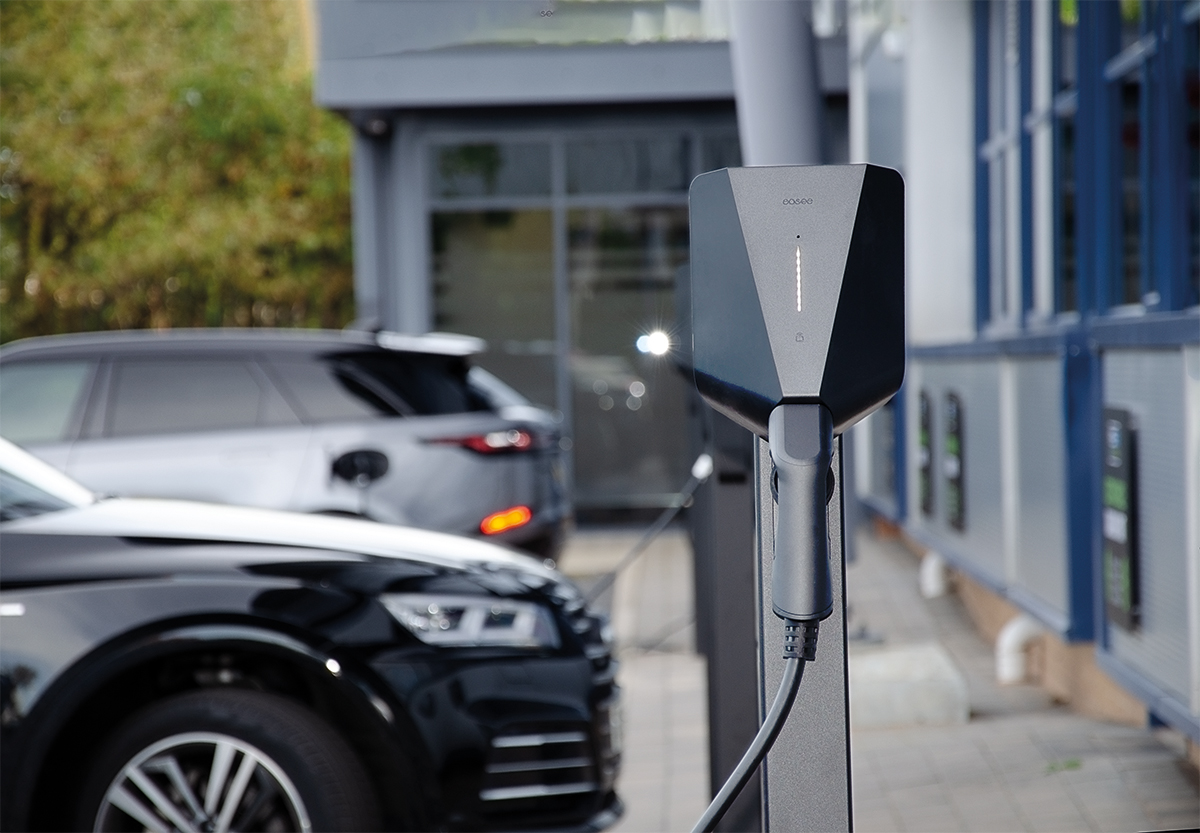
One of the best ways to ensure that your electric vehicle never runs out of charge is to invest in your own home EV charger. Getting a home EV charging station installed onto your property can have a number of benefits. We'll go through these below.
Key benefits of home EV chargers
Convenience – You can save time and energy (in both senses) by charging your electric vehicle at home instead of having to travel to a public charging point. There'll be no waiting time at your home car charging point, and you won’t have to rely on the service of others in order to get your vehicle fully charged.
Low cost - With an at home charging station, you can get an unlimited supply of electricity for your charger car at a lower cost. Electric vehicles are generally cheaper to run than petrol and diesel cars, but you can make even more savings by using your own electricity supply to charge your car. Home chargers will also allow you to charge throughout the night during off peak times helping you save money.
Top tip – Households on Economy 7 meters can benefit from lower electricity rates during off-peak hours. This means that you can charge your electric vehicle overnight and get cheaper rates! – Please note that we are expecting to see Economy 7 be phased out in the next 5 years so your electrician may be able to recommend more suitable options.
Eco-friendly – Electric vehicles and PHEVs (plug-in hybrid vehicles) are much better for the environment than petrol and diesel cars, due to reduced carbon emissions. But did you know that you can lower your carbon footprint even further by selecting a renewable energy tariff? This way, the energy that you use to power your electric car can contribute to sustainable energy sources.
Helps to preserve battery efficiency – With a home charging station you can create a more effective charging schedule for your electric vehicle. Irregular charging at public stations will eventually begin to affect your car battery’s efficiency. It is recommended that you change your car battery to around 80% when needed, and this can be managed efficiently at home.
Safety – You’re likely to feel significantly safer when charging your electric vehicle at home than at a public charging station. At home, you’re less susceptible to car theft, vandalism or damage, especially if you have security measures in place.
Can increase property value – With the increasing popularity of electric vehicles, getting a home EV charger installed at your property could prove to be a great unique selling point. If you ever decide to rent or put your property on the market, your home charging station could increase its appeal to prospective tenants or buyers.
What to consider when buying an EV charger
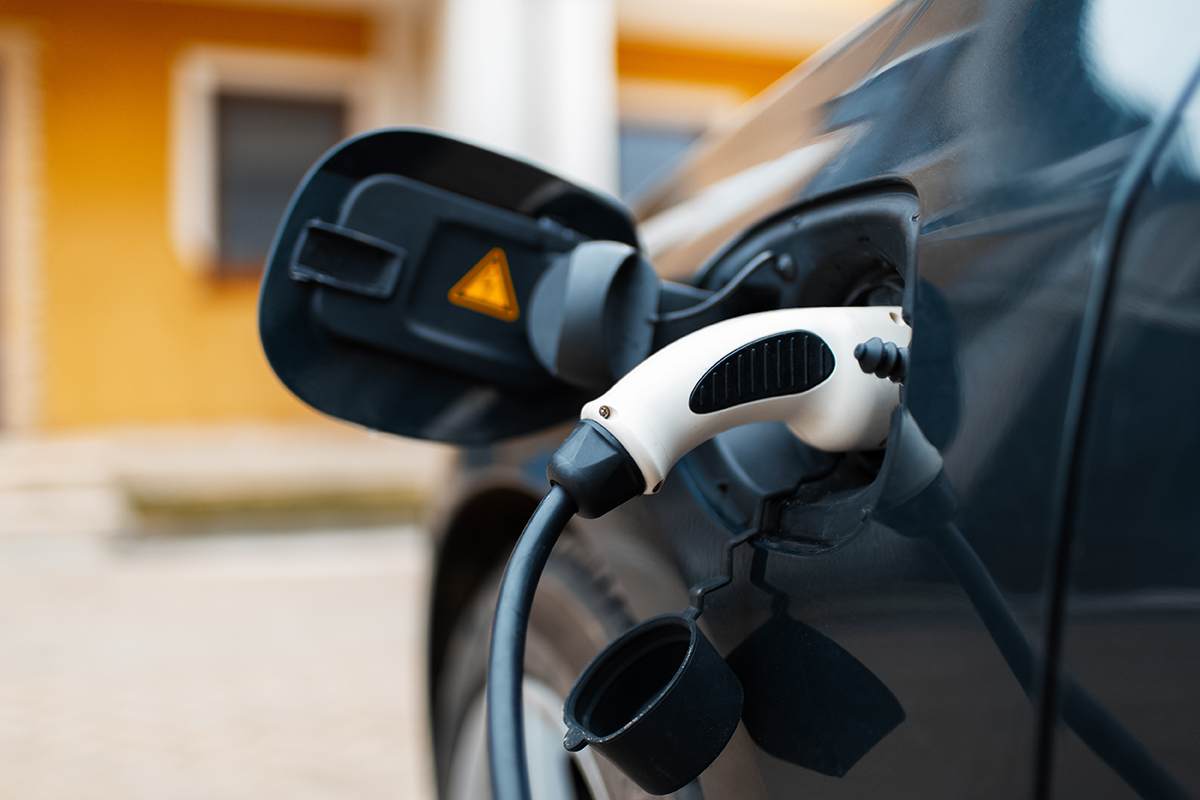
When purchasing an EV charger, there are a number of factors that you should consider in order to ensure that you buy the best car charger for your needs.
Here are some of the main factors that we recommend you consider before purchasing a new EV charger:
1. Costs (Unit & Installation)
How much is an EV charger? This is likely to be one of the first questions on your mind if you’re thinking about getting a car charger installed at your property. A home charging system will range from £400 - £1000 just for the device, installation costs will increase the overall costs further.
When choosing a home EV charger, you should consider all options instead of buying the cheapest model available, as this could compromise your system’s efficiency and performance. An EV charger is a long-term investment, so you should ensure that the product you choose is a suitable fit for your needs.
2. Charging Speed
Home EV charging units can range from 3kW to 22kW, and the higher their power range, the faster they can charge your vehicle. For instance, a 3.7kW wallbox charger could fully charge a Tesla Model 3 Standard Range with a 57.5kWh battery in around 17 hours, providing you roughly 125 miles of range over one night. Meanwhile, a 7kW system could do this in around 8 hours, comfortably covering an overnight charge.
It's worth noting that most Tesla Model 3s have an onboard charger capped at 11kW, so even on a three-phase 22kW supply, the car itself won't charge any faster than around 6 hours - the extra power simply isn't used.
It is important to note that not every house will be able to meet the demands of a higher-power charger, so we recommend you check with your electrician to make sure your home is compatible.
3. Tethered or Untethered
Tethered chargers come with a cable that’s attached to the charging unit, much like standard petrol and diesel pumps. These chargers tend to be more convenient as you don’t have to fish out your cable every time you need to power up your vehicle.
Untethered car chargers on the other hand don’t have a cable attached to them and the cost of the cable is usually separate from the unit itself. The benefit of choosing an untethered charger over a tethered one is that you can charge other EVs that have different connectors.
For more information regarding tethered or untethered chargers, please check out our article here.
4. Location
With most car charger installations requiring off-road parking (driveway or garage), your vehicle will need to be close enough to your electrical panel to charge your car. If you’re unsure about where you should get your EV charger installed, your qualified electrician should be able to provide you with the advice you need.
Councils are currently working on making charging your car while parked on the street more accessible with the implementation of charge gully’s, however, you still need to apply for planning permission and not every council will approve so please make sure to check before going through the process of installing a charge gully.
5. Cable Length
Cable length gives customers freedom of use when trying to charge their car, no matter much space your drive offers. Usually, the average distance between your EV charger and vehicle is around 5 to 7 metres. If you have a longer drive, options are available to go as far as 10 metres in cable length.
6. Aesthetics
After all other practicalities are taken care of, how your EV charging unit looks will need to be considered. From colours that match your outdoor décor, to sleek, ultra-modern options with low profiles, this is a subjective decision to be made based on your preferences.
Recommendations
Choosing a home EV charger can be overwhelming. It is a significant investment, and you want to make sure you make the right decision based on your specific needs. Below are a few recommendation that hopefully meet your needs at home.
Long driveway – If cable length is your main worry, we offer 10m cable length options to give you the freedom you are looking for when charging your vehicle.
Type 2 Socketed – Future proofs your charging system as purchasing a new car does not mean you need to purchase a new EV charger if technology changes.
Type 2 tethered – Convenient option as your cable is always readily available.
IP 65 Protection – For people who require that extra level of protection from their surrounding environment
Take a look at YESSS Electrical's comprehensive range of home EV chargers today or give us a call to discuss your needs. You can also visit one of our branches to take a look at our range and try out some of our on-site EV car chargers, completely free of charge!